

Pistachio Filled Chocolate Bars: Make Professional Gifts at Home
Proper chocolate bars. The kind that look like they came from an artisan chocolatier.
Hand-painted designs. Glossy finish. That satisfying snap when you break them. Pistachio filling with texture from shredded filo. And a shimmer finish that catches the light beautifully.
These aren't fiddly or complicated, but they do require attention to detail. Get the chocolate tempering right and everything else falls into place.
This is your complete guide to making stunning pistachio chocolate bars at home – perfect for gifts, special occasions, or just because you want chocolate that's several levels above shop-bought.
Why Make Your Own Chocolate Bars?
They're genuinely impressive. Hand someone a homemade chocolate bar and you've made an impact. These aren't wobbly chocolate shapes – they're proper, professional-looking bars.ncl
Complete creative control. Choose your colours, designs, fillings, decorations. Make them exactly how you want them.
They're more achievable than you think. Yes, tempering chocolate sounds scary. But once you've done it successfully once, you'll realise it's just following temperatures.
Premium gifts on a budget. Artisan chocolate bars can cost £8-10 each. Make them yourself for a fraction of that.
The satisfaction factor. There's something deeply satisfying about turning out a perfectly set, glossy chocolate bar that you made yourself.
Understanding Chocolate Tempering
This is the crucial bit. Tempering is what separates amateur chocolate from professional.
What Is Tempering?
Tempering is heating and cooling chocolate to specific temperatures so the cocoa butter crystallises properly. When chocolate sets, those crystals determine whether it's glossy or dull, snappy or soft.
Properly tempered chocolate:
- Sets hard with a snap
- Has a glossy, professional finish
- Doesn't melt on your fingers
- Releases cleanly from moulds
- Stays stable at room temperature
Badly tempered chocolate:
- Stays soft and bendy
- Looks dull or streaky (blooming)
- Sticks to moulds
- Melts too easily
- Develops white streaks over time
The Temperature Process
For dark chocolate:
- Melt to 44-45°C (this melts all cocoa butter crystals)
- Cool to 27-28°C (forms stable crystals)
- Reheat slightly to 31-32°C (working temperature)
For milk chocolate:
- Melt to 43-44°C
- Cool to 26-27°C
- Reheat to 29-30°C
For white chocolate:
- Melt to 43-44°C
- Cool to 25-26°C
- Reheat to 28-29°C
Why these specific temperatures? It's pure chemistry. Those temperatures create Type V crystals – the stable, glossy ones you want.
How to Cool Chocolate Quickly
Method 1: Seeding Add chunks of unmelted chocolate to your melted chocolate. Stir until they melt, bringing down the temperature. Remove any unmelted pieces.
Method 2: Marble slab Pour two-thirds of melted chocolate onto a clean marble slab. Spread it around with a palette knife, then scrape back into the bowl.
Method 3: Just wait Leave the bowl at room temperature, stirring occasionally. Slower but works fine.
For these bars, just waiting works perfectly. You're not in a rush.
Equipment You'll Need
Essential
Silicon chocolate bar moulds Get decent quality ones. Cheap moulds with rough edges create messy bars. Look for smooth, detailed moulds.
Digital thermometer Non-negotiable. You cannot temper chocolate by guessing. A probe thermometer works best.
Microwave-safe bowls Glass or plastic. Metal bowls can create hot spots.
Metal spoon For pressing filling evenly.
Brushes in various sizes Natural bristles work better than synthetic for chocolate painting.
Helpful But Optional
- Palette knife for spreading chocolate
- Chocolate scraper
- Piping bag (some people prefer piping chocolate into moulds)
- Marble slab (for faster cooling)
Ingredients Breakdown
Chocolate Drops
Use good quality chocolate. This matters.
What to look for:
- At least 50% cocoa solids for dark
- Real cocoa butter (not vegetable fat substitutes)
- Brands like Callebaut, Valrhona, or Belcolade
How much you'll need: Approximately 400g chocolate makes 4-6 large bars, depending on mould size.
Can you use chocolate bars from the supermarket? Yes, but tempering is trickier. Couverture chocolate (the drops) is specifically designed for melting and tempering.
Pistachio Cream
This is your flavour base.
Shop-bought pistachio spread works fine. Look for high pistachio content (at least 30%).
Or make your own: Blend pistachio paste with softened butter and icing sugar to taste.
Shredded Filo Pastry
This might seem odd, but it works brilliantly.
What it does:
- Adds texture to the filling
- Bulks out expensive pistachio cream
- Creates an interesting eating experience
- Prevents the filling being too rich
Where to find it: Most supermarkets stock shredded filo (also called kadaifi or kataifi). Middle Eastern shops definitely have it.
Can you substitute? Crushed wafers or finely chopped nuts work, but filo gives the best texture.
Decoration
Cocol Colours Cocoa butter-based colours specifically for chocolate. They melt into liquid colour for painting.
Available in:
- Metallic shades (gold, silver, bronze, copper)
- Matt colours (full colour range)
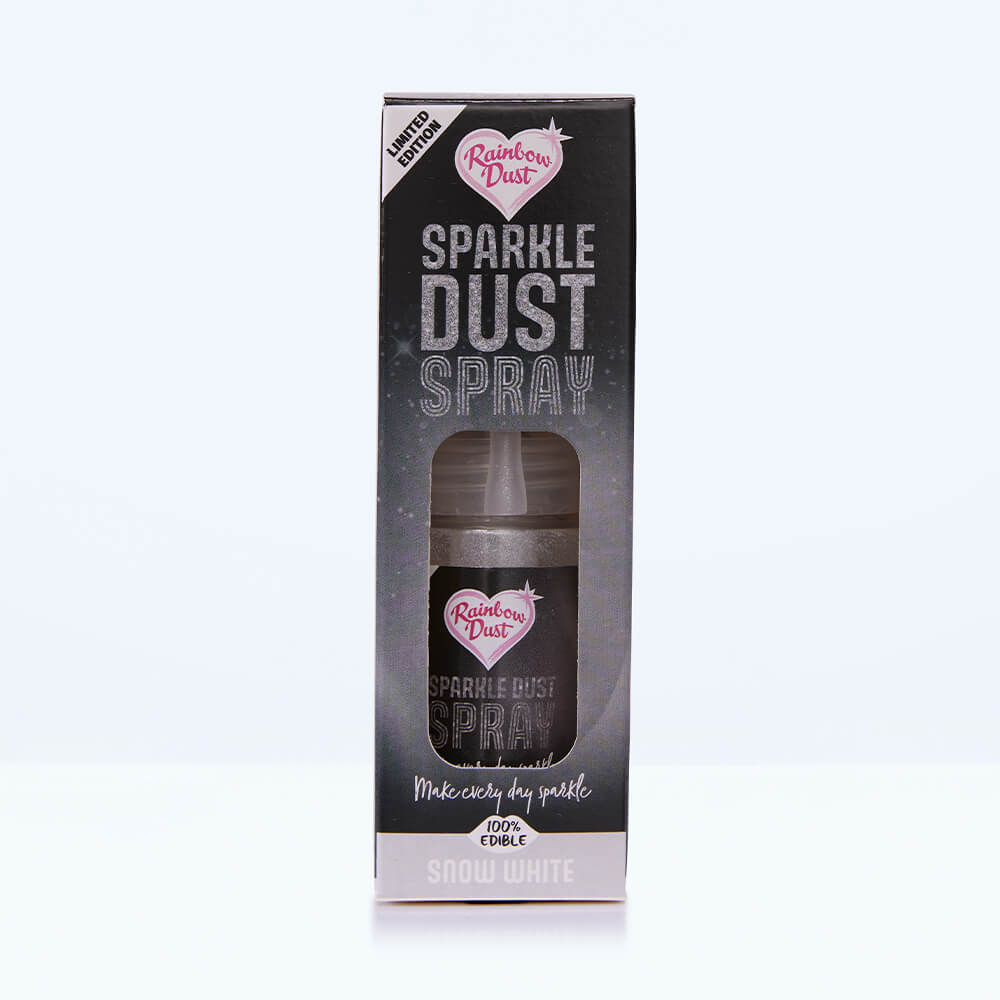
Golden Belle Shimmer Dust Spray Spray-on shimmer for all-over sparkle.
Metallic Bronze Shimmer Dust For dusting decoration pieces.
Chocolate stars Pre-made chocolate decorations. Or make your own using a small star mould.
Step-by-Step Method
Stage 1: Tempering the Chocolate
1. Chop or weigh your chocolate drops
You'll need approximately 400g for a batch of bars. If using block chocolate, chop it finely so it melts evenly.
2. Melt in the microwave
Place chocolate in a microwave-safe bowl. Heat in 30-second bursts, stirring thoroughly between each burst.
Why short bursts? Chocolate can burn easily. It holds heat even when it doesn't look melted. Stirring distributes heat evenly.
3. Check the temperature
Once chocolate is nearly melted (some small lumps are fine – they'll melt from residual heat), check with your thermometer. You're aiming for 44-45°C for dark chocolate.
If you overshoot: Don't panic. Just let it cool down and try again. You haven't ruined it unless you've exceeded 50°C (which would burn it).
4. Cool to 30-33°C
Leave the bowl at room temperature, stirring occasionally. This takes 10-20 minutes depending on room temperature.
How to test it's ready: Dip a knife into the chocolate and leave at room temperature. It should set within 3-5 minutes with a slight sheen.
Stage 2: Painting the Moulds
This is the fun, creative part.
1. Prepare your Cocol colours
Choose your colours – metallic, matt, or mix them.
Place small amounts of Cocol in separate small bowls. Melt in the microwave at 30-second intervals until liquid. They melt faster than chocolate.
How much? Start with a teaspoon per colour. You can always melt more.
2. Paint your designs
Using various brush sizes, paint designs into your clean, dry moulds.
Design ideas:
- Simple brush strokes in one direction
- Cross-hatching patterns
- Splatter effect (flick brush for droplets)
- Geometric shapes
- Abstract swirls
- Ombre effect (blend two colours)
Pro tips:
- Less is more – don't overdo it
- Let each colour set slightly before adding the next
- Work quickly as Cocol sets fast
- Keep designs towards the sides and bottom (they'll show best)
3. Let the painted designs set
Leave moulds at room temperature for 10 minutes. Painted designs should be completely set before adding chocolate.
Stage 3: Creating the Chocolate Shell
1. Pour tempered chocolate
Pour a small amount of tempered chocolate into each mould cavity. Not loads – you're just creating a shell.
2. Spread the chocolate
Tilt and rotate the mould so chocolate runs up the sides and coats every surface. Work over a bowl to catch drips.
Alternatively: Use a small brush to paint chocolate up the sides. Takes longer but gives more control.
3. Tap out air bubbles
Tap the mould firmly on your work surface several times. This brings air bubbles to the surface.
4. Invert to remove excess
Turn the mould upside down over your bowl and let excess chocolate drip out. You want a shell, not a solid bar at this stage.
5. Refrigerate
Place moulds in the fridge for 10-15 minutes until the chocolate is set hard.
Check it's ready: Touch gently – chocolate should feel firm and cold.
Stage 4: Making and Adding the Filling
1. Prepare the pistachio filo mixture
Place shredded filo pastry in a bowl. Add pistachio cream gradually, mixing with a spoon.
The texture you want: Soft and spreadable, like thick peanut butter. Not too wet, not too dry.
Ratio guide: Start with equal parts filo and pistachio cream by volume, adjust to get the right consistency.
2. Fill the chocolate shells
Remove moulds from fridge. The chocolate should have pulled away slightly from the edges – that's perfect.
Spoon pistachio filling into each cavity, pressing gently with the back of a metal spoon to distribute evenly.
Don't overfill. Leave 2-3mm space at the top for the sealing layer of chocolate.
3. Level the filling
Use the spoon to smooth the top of the filling so it's even. This helps the sealing chocolate spread evenly.
Stage 5: Sealing the Bars
1. Check your tempered chocolate
If your chocolate has cooled too much, warm it gently back to 31-32°C. If it's set solid, you'll need to re-temper from scratch.
2. Pour chocolate over filling
Pour tempered chocolate over the filling to completely seal each bar. Use enough to create a proper base.
3. Smooth the base
Use a palette knife or the edge of a ruler to scrape excess chocolate off the top of the mould, creating a smooth, flat base.
4. Tap to settle
Tap the mould firmly on the work surface to settle the chocolate and remove air bubbles.
5. Refrigerate
Place in the fridge for at least 30 minutes, preferably an hour, until completely set.
Stage 6: Unmoulding and Finishing
1. Check they're ready
The chocolate should have contracted slightly, pulling away from the mould edges. If it's still stuck, give it longer.
2. Unmould carefully
Turn the mould upside down and gently flex it. The bars should drop out cleanly.
If they stick: Place in the freezer for 5 minutes, then try again. Temperature shock helps release them.
3. Trim if needed
Use a sharp knife to trim any rough edges or chocolate drips. A warm knife (run under hot water, then dry) cuts cleanly.
4. Add final decoration
Option 1: Spray with Golden Belle Shimmer Dust for all-over sparkle. Hold the spray 20cm away and use light, even coats.
Option 2: Attach chocolate stars or other decorations. Brush them with Metallic Bronze Shimmer Dust first, then secure to the bar with a tiny dab of melted chocolate.
Option 3: Leave plain if your painted design is striking enough.
Troubleshooting Common Issues
Problem: Chocolate Won't Release from Moulds
Causes:
- Not cold enough
- Chocolate wasn't properly tempered
- Moulds weren't completely clean and dry
Fixes:
- Freeze for 5 minutes
- Next time, ensure proper tempering
- Wash moulds in warm soapy water, dry completely
Problem: Chocolate Has White Streaks (Bloom)
Cause: Chocolate wasn't properly tempered, or got too warm after setting.
Fix: It's still edible, just doesn't look perfect. Re-melt and re-temper for next batch.
Problem: Chocolate Is Soft and Bendy
Cause: Not tempered, or incorrect tempering temperatures.
Fix: Unfortunately can't fix this batch. Learn from it and temper properly next time.
Problem: Air Bubbles in Finished Bars
Cause: Not tapping mould enough to release bubbles.
Fix: Tap moulds more firmly next time, especially after pouring the shell layer.
Problem: Filling Is Too Wet
Cause: Too much pistachio cream, not enough filo.
Fix: Add more shredded filo to absorb excess moisture.
Problem: Painted Designs Smudged
Cause: Chocolate poured before Cocol was completely set.
Fix: Always let painted designs set fully (10 minutes minimum) before adding chocolate.
Flavour Variations
Once you've mastered the basic technique, experiment with different fillings.
Hazelnut Praline Bars
Replace pistachio cream with hazelnut praline paste. Add chopped toasted hazelnuts to the filo mixture.
Salted Caramel Bars
Use dulce de leche or caramel spread instead of pistachio cream. Add a pinch of sea salt to the filling.
Raspberry White Chocolate Bars
Make with white chocolate. Use white chocolate mixed with freeze-dried raspberry powder for the filling. Skip the filo, use crushed freeze-dried raspberries instead.
Coffee Walnut Bars
Mix instant coffee with pistachio cream (or use coffee-flavoured spread). Add finely chopped walnuts to the filo mixture.
Orange Almond Bars
Add orange zest to almond butter mixed with the filo. Paint moulds with orange-coloured Cocol.
Packaging for Gifts
These make incredible gifts when packaged properly.
Simple Packaging
- Clear cellophane bags tied with ribbon
- Small gift boxes lined with tissue paper
- Wrapped in brown paper tied with twine (rustic look)
Premium Packaging
- Custom-fit boxes with windows to show the bars
- Wrapped in parchment paper with custom labels
- Gift tins lined with shredded paper
- Presented on a small wooden board wrapped in cellophane
Storage Instructions to Include
"Store in a cool, dry place (not the fridge). Best consumed within 2 weeks. Keep away from strong odours as chocolate absorbs smells."
Cost Analysis
Per bar (approximately):
- Chocolate: £1.50-2.00
- Pistachio cream: £0.75-1.00
- Filo pastry: £0.20
- Cocol colours: £0.30 (lasts many batches)
- Decoration: £0.25
Total cost per bar: £3-4
Comparable artisan bars cost: £8-12
Making them yourself saves 50-70%, plus you get the satisfaction and customisation.
How Long They Keep
Room temperature (15-20°C): 2-3 weeks
Fridge: Up to 6 weeks, but they'll lose their snap
Freezer: 3 months, but let them come to room temperature slowly (condensation can cause bloom)
Best practice: Make them within a week of gifting for optimal freshness.
Why These Make Perfect Gifts
They're handmade. In a world of mass-produced everything, handmade means something.
They're customisable. Choose colours to match the recipient's favourite shades or the occasion.
They're premium. The ingredients, the technique, the finish – everything says "I put effort into this."
They're shelf-stable. No need to worry about refrigeration or quick consumption.
They photograph beautifully. Recipients will want to show them off before eating them.
Get Started
Ready to create professional chocolate bars at home? Stock up on Cocol colours for those stunning painted designs, shimmer dusts for the finishing touches, and quality chocolate.
These bars are genuinely impressive. Yes, tempering takes concentration. But once you've made your first successful batch, you'll wonder why you ever bought expensive artisan chocolate.